The Primitivo conquers wine-lovers and food & beverage professionals from all over the world, establishing itself as one of the most exported Italian wine in 2020. Now let’s discover in detail its history and its characteristics which are the key to its success.
Once upon a time…the Primitivo wine
The origins of Primitivo wine are uncertain. They think it is have been brought to Puglia region during the Phoenician colonization or even before, by the Illyrians
more than 2000 years ago. Others, claim that the Benedictine monks from Burgundy were who introduced the vine of Primitivo in the seventeenth century. In any case, we know for sure that the vine was known by this name since the end of the 18th century.
The spread of the vine in Italy today
Primitivo is one of the 10 most cultivated varieties in Italy; it has a vineyard area of about 12,000 hectares, located almost exclusively in the Puglia region. Here it is widespread in the province of Taranto, which comprises the 60-70% of its total production and where the famous
DOC Primitivo di Manduria resides. It is also widespread in the
Gioia del Colle area from which the second DOC Primitivo wine takes its name and in the southern part of the region – from Brindisi to Lecce – where it gives excellent results in purity with the name of
Primitivo Salento IGP.
The cultivation of Primitivo wine grapes
The Primitivo grape variety takes its name from its early maturity. In fact, it is
harvested between the end of August and the beginning of September, even if some varieties offer a second fruit – generally developed on the females – which is harvested about 20 days apart.
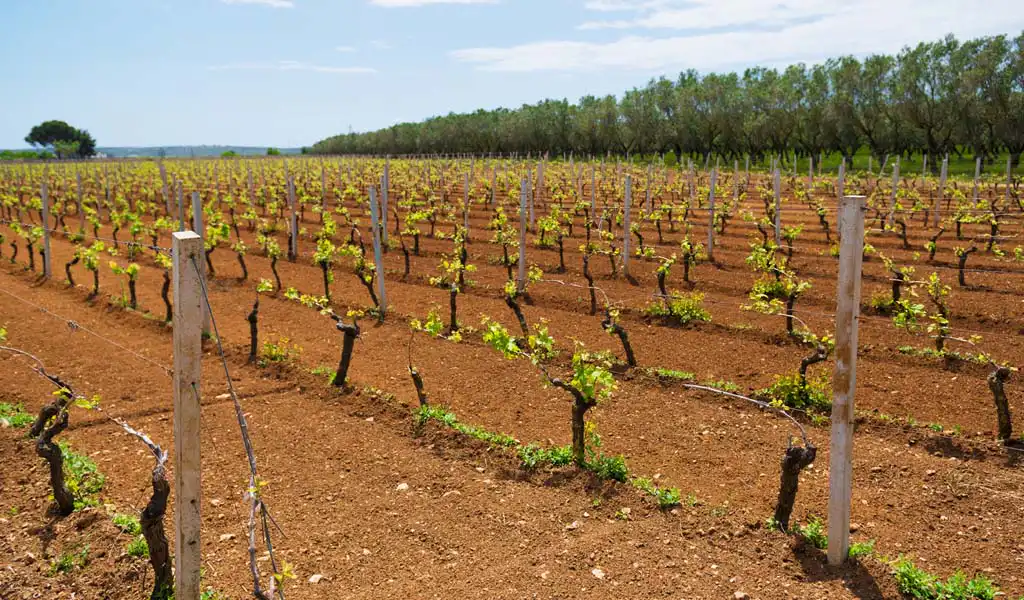
Primitivo wine is a very demanding plant, which requires knowledge and
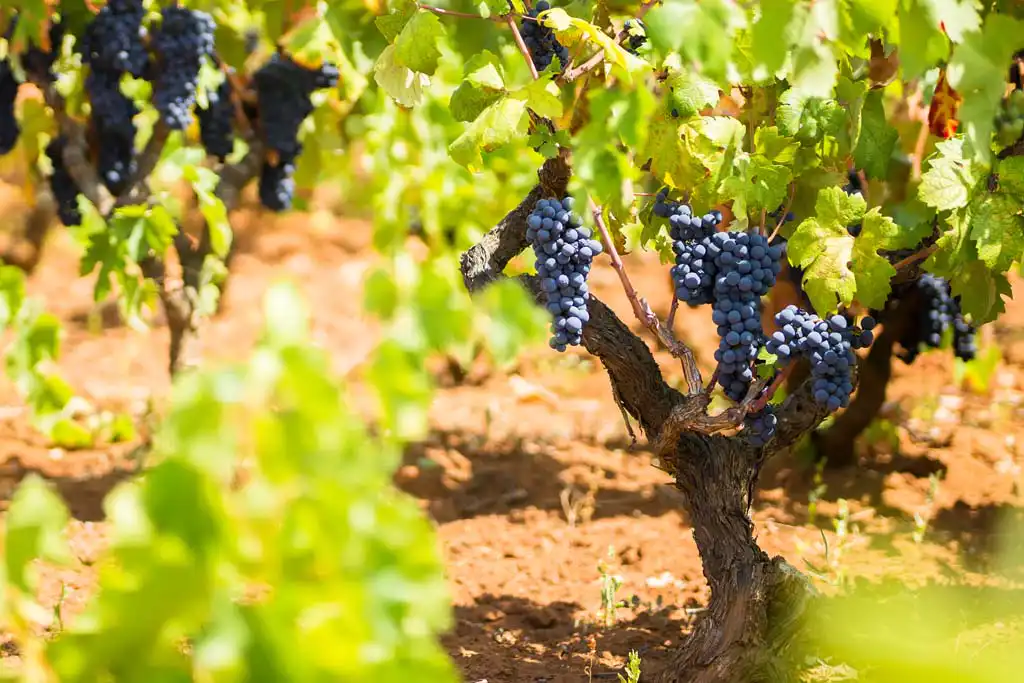
careful work in the vineyard. Its dark blue and bloomy berries are very compact in the bunch and fear humidity. In fact, it’s ideal climate is
hot and dry, with abundant but short-lasting rains, so that the bunch can dry out quickly.
The
alberello-trained system is often used, which does not offer large harvest volumes, but very high quality. Primitivo plants can be very long-lived: in the Puglia countryside, there are also
vines over 80 years old.

The characteristics of Primitivo wine: the key to success is in the glass
Primitivo wine is one of the
most exported Italian wines of 2020, but it has been a growing trend for the past 20 years. We can say that the merit is all about the wine and its peculiar characteristics, which make it capable of conquering a
very wide audience. It is first a good wine from its youth, but which can also be of great complexity and thickness, suitable for long aging in bottle and with excellent results. It is a
powerful wine, rich in aromas and fruity scents, velvety and extremely pleasant, able to meet the taste of very different cultures, especially in eating habits. We can find the same vine in the bottle with different styles , versions and price ranges, thus pushing the consumer to try: young wines, reserves, aged in cask, aged in bottle, red and rosé, fortified, gradations ranging from 13 degrees to 16 and more! These countless features have made it a
must-have in any wine importer’s portfolio.
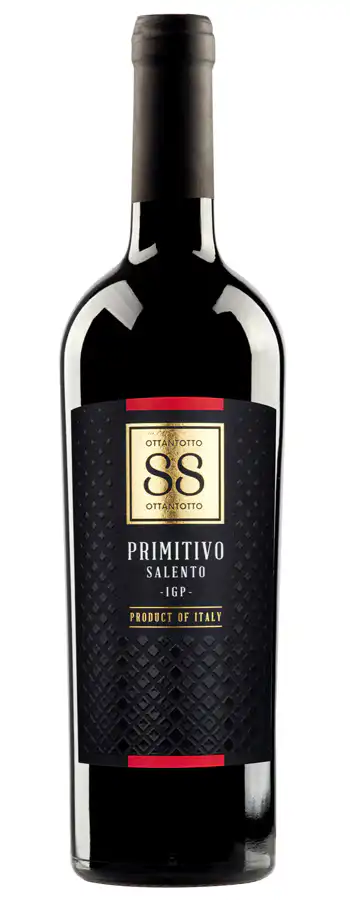
88 – Primitivo Salento IGP
Domus Vini has chosen for its Primitivo wine Salento: the warm, mild and windy area of Puglia. The Apulians say: “
Salentu, lu sule, lu mare, lu ientu” which means: “Salento, the sun, the sea, the wind”. These are the 3 factors that determine the climate of the area and that also positively influence the grapes grown there. Our Primitivo has a deep red color with garnet reflections. The bouquet is intense with hints of spices and ripe fruit. On the palate it is structured, full, with a lively tannic note. Ideal with meat-based dishes, especially game and tasty meats.
For more information on our
Primitivo wines, do not hesitate to
contact us!