Moscato is really on everyone’s mouth, even more so in this period where we are committed to the selection of aromatic sparkling wines to pair with Christmas sweets and New Year fireworks. But do we really know everything about Italian Moscato wines?

Italian Moscato wine, a bit of history.
We find the first definition of Muscatel, or Moscato wine, in a treatise from the 1300s by
Pietro de Crescenzi. Moscato Bianco seems to be the oldest variety, called by the Greeks
Anathelicon Moschaton and
Apiana grape by the Romans, because bees, attracted by its very sweet aroma, prefer it.
Over the centuries, thanks first to the Greeks, then to the Romans and then again to the Venetian merchants, Muscat has spread throughout the peninsula, in Europe and in many other wine-growing regions in the world.
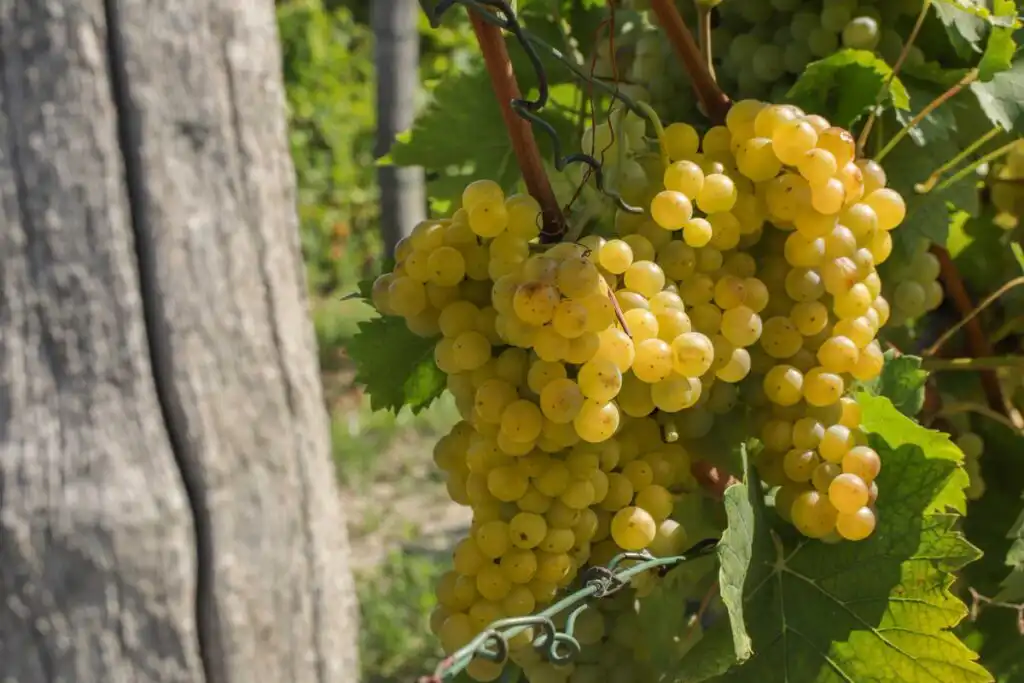
There are four varieties of Muscat grapes in Italy:
-
White Muscat grape
It is the most cultivated variety and the first white grape variety in terms of breeding intensity in Piedmont, mainly located in the provinces of Asti, Cuneo and Alessandria. Being very versatile, it finds favorable terroirs in different parts of Italy: Valle d’Aosta, Oltrepò Pavese, Tuscany, Puglia, Sicily and Sardinia. Its enological vocation is manifold: dry and aromatic Italian muscat wines, sweet and sparkling and sweet passito for dessert.
-
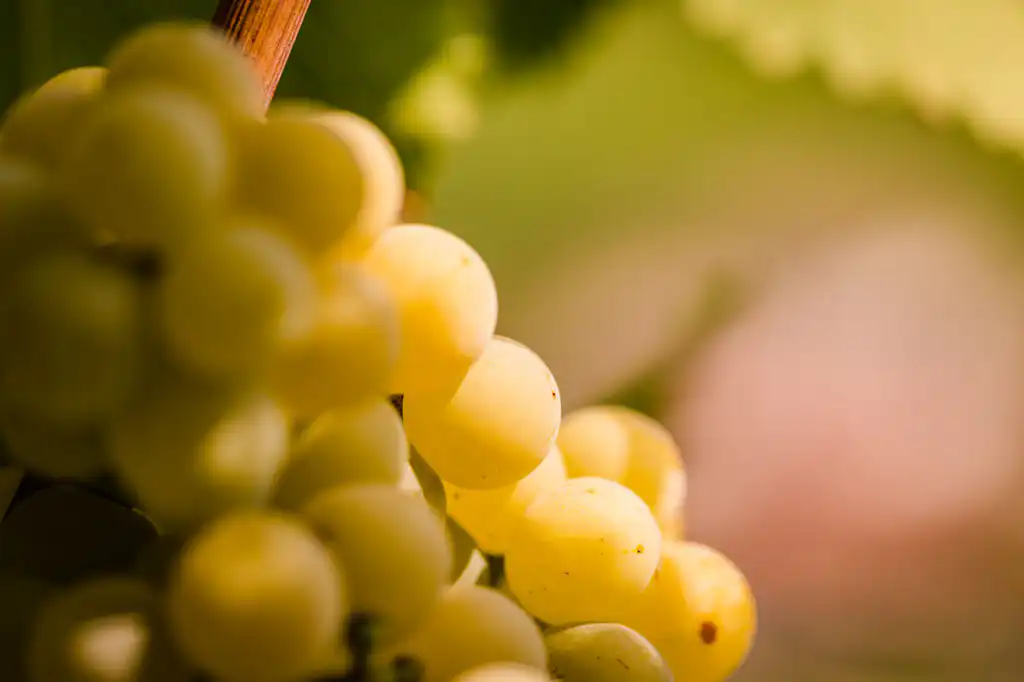
Yellow Muscat
The yellow variety is less common and probably has Syrian origins (also called Moscato Sirio). In Italy, it is grown mainly in the North East. In the Euganean Hills, in Veneto, it gives life to Moscato Fiori d’Arancio wine, in the sparkling or passito version, while in Alto Adige it is called Goldmuskateller.
-
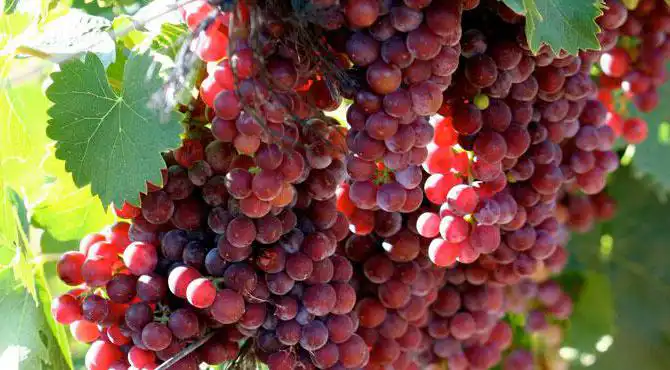
Pink Muscat
Moscato Rosa is a particular pink grape variety, although the name seems to derive more from the intense scent of rose that it releases. Widespread mostly in Trentino-Alto Adige, it is also grown in Friuli, Piedmont, Emilia and Sicily. It seems to originate from this last region; It is said that Prince Enrico di Campofranco, of the Borbone, brought some “scions” of this vine to Alto Adige.
The Moscato Rosa in the vineyard has a very stingy yielded; this makes it a rare Italian Muscat wine that we often find in a passita or late-harvest version.
-
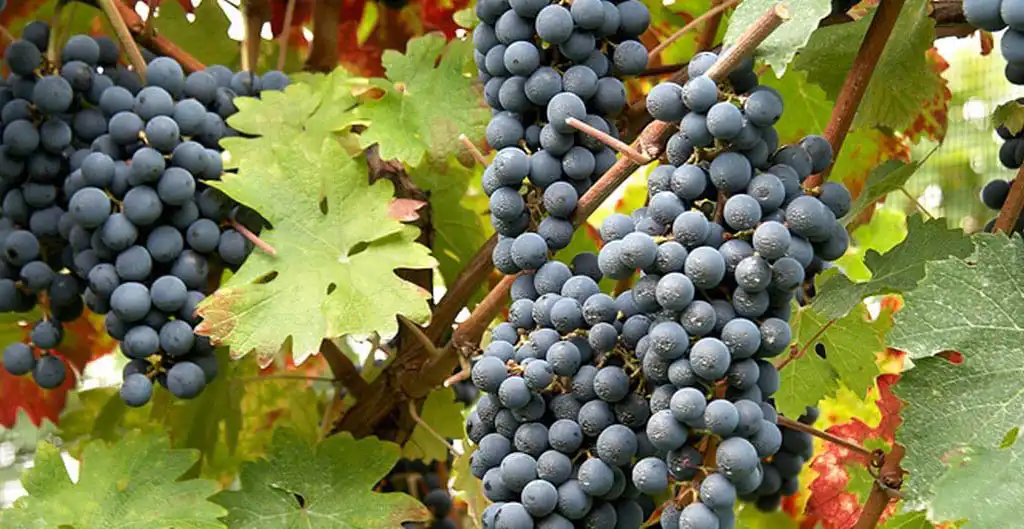
Muscat of Scanzo
One of the very few examples of
black-berried Moscato grapes, which is the native variety of the province of
Bergamo and is grown exclusively in Lombardy. It is an Italian Moscato wine with an intense ruby color that has persistent sweetness and rich structure, generally vinified in the passito version.
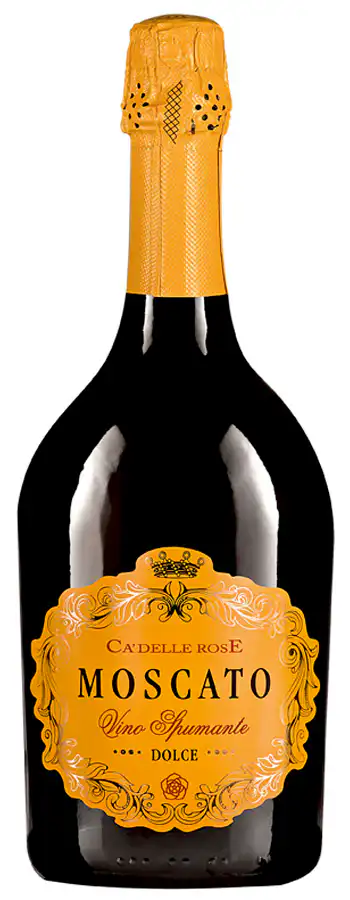
Moscato Spumante Dolce – Ca’ Delle Rose
In our section of Italian sparkling wines
Ca ‘Delle Rose, you can find our Moscato. Floral and fragrant, the bouquet is characterized by the typical aromas of white flowers, peach, banana, citrus.
The sip is sweet and fresh with elegant fruity hints and excellent balance between residual sugar and flavor, with a persistent aroma.
For more information, do not hesitate to
contact us